

How to Grill Burgers
Two-zone heat is your best friend for burgers. Sear on the hot side at about 450-500°F, then move to the cooler side to finish around 350-400°F. The USDA requires ground beef to reach 160°F for safety, so you must monitor internal temp with a reliable thermometer. A grill that holds steady temps in these ranges matters more than the fanciest burner setup.
Table of Contents
Our Top Picks
Affiliate disclosure: if you buy through these links, we may earn a commission at no extra cost to you.
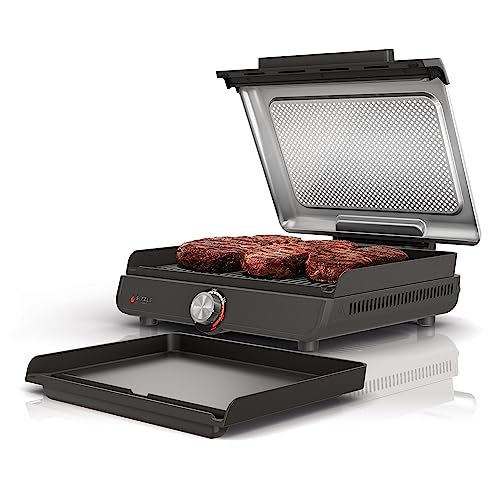

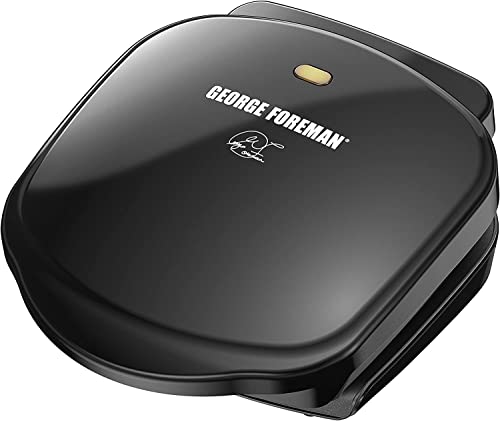
Factors to Consider
Grill Type and Heat Zoning
Patty Blend and Prep
Go with an 80/20 beef blend for juiciness and crust. Shape patties around 1/4 pound each and about 3/4 inch thick, with a shallow indent in the center to prevent doming. Chill formed patties 15-20 minutes before grilling to keep fat loose for a clean sear. Salt and pepper right before hitting the grill—seasoning timing can change moisture and crust.
Tools, Thermometers, and Timing
Invest in a dependable instant-read thermometer and, if possible, a probe thermometer that stays in the patty while it cooks. A cast-iron grate or skillet on the grill helps you build a thick crust and even heat distribution. Target 160°F internal, then rest 2-3 minutes before cheesing to keep juiciness intact. Handle burgers with tongs to avoid juice loss from piercing.
Grill Durability and Maintenance
Choose grills with durable, heat-retaining grates—stainless steel or well-seasoned cast iron—to resist warping and deliver steady sear. A tight-fitting lid and solid insulation keep two-zone temps stable through the sizzle. Look for sturdy hinges, reliable latches, and at least a year-long warranty, because gear that lasts makes the fire feel like an ally, not a grind. When the gear is built right, you cook with confidence and flavor compounds that don’t quit working for you.
Frequently Asked Questions
What grill type is best for burgers — gas, charcoal, or pellet?
Two-zone direct/indirect heat works on all fuel types, but charcoal and pellet grills often deliver deeper smoke flavor and crisper crust from higher radiant heat. Gas grills can hit 450-500°F reliably, which is perfect for searing and finishing. Whichever you choose, keep a hot sear zone and a cooler finish zone to hit the 160°F target safely.
How thick should I make a burger patty?
Most burgers run about 3/4 inch to 1 inch thick and weigh roughly 4 ounces (about a quarter pound). That size sears well, cooks evenly, and fits standard buns without crowding. The key is a shallow center dent to prevent bulging as it cooks.
Should I salt the patties before grilling?
Salt right before they hit the grill. Salt draws surface moisture initially, helping with a better crust, and then the moisture reappears as you sear. If you salt too early, you’ll pull moisture out and steam the patty instead of searing it.
How do I prevent burgers from puffing up in the middle?
Make a shallow indentation in the center of each patty before cooking. This simple step prevents doming and guarantees even contact with the grill grate. A good crust forms where there’s direct heat and contact.
When should I add cheese?
Cheese goes on in the last 30-60 seconds of cooking. Close the lid to melt evenly, or lay a slice on the patty and let residual heat finish the melt. Don’t rush the cook—you want a hot crust and a properly melted cheese layer on top.
Do I really need a thermometer?
Yes. A thermometer removes guesswork and ensures you hit the safe 160°F internal temp every time. Relying on color alone is misleading; temps give you repeatable results. It’s the difference between good burgers and smoky masterpieces.
How long should burgers rest after cooking?
Rest burgers for about 2-3 minutes after pulling them from the grill. Resting lets juices redistribute, keeping the patty moist when you bite in. Skip the rest and you’ll taste dryness; give the meat a moment to settle into its crust.
Conclusion
Fire, technique, and solid gear turn burgers from good to legendary. Start with dependable heat control, the right fat balance, and a thermometer you trust, then let the grill do the work. Mastery comes from good gear and real fire.


