

How to Grill Asparagus
⚡ Quick Answer
Listen, asparagus on the grill isn't a side dish—it's proof that you know how to handle heat. Most people butcher it. They throw thin stalks on a cold grate, watch them shrivel like sad stick figures, and wonder why grilled vegetables taste like regret. I'm here to fix that. Asparagus on live fire is transformative when you understand the fundamentals: proper prep, the right temperature, and respect for the char.
Table of Contents
I've been throwing asparagus over coals and flame for twenty years. The magic happens in those minutes when the edges blacken, the interior softens, and the natural sugars caramelize. You get a side dish that tastes like something—not like boiled mush. Let me walk you through the real deal.
Our Top Picks in Detail
Affiliate disclosure: if you buy through these links, we may earn a commission at no extra cost to you.
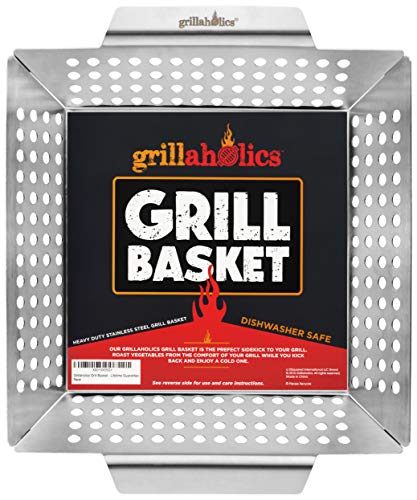
Vegetable Grill Basket for Asparagus
See optionsCheck Price →This is the pick to look at first if you want a reliable, well-rounded option that handles everyday use without unnecessary compromises. Vegetable Grill Basket for Asparagus delivers solid performance across the features that matter most in this category.

Stainless Steel Grill Topper for Vegetables
See optionsCheck Price →If the top pick doesn't quite fit your situation, Stainless Steel Grill Topper for Vegetables is worth a close look as a capable alternative that still covers the essentials well.
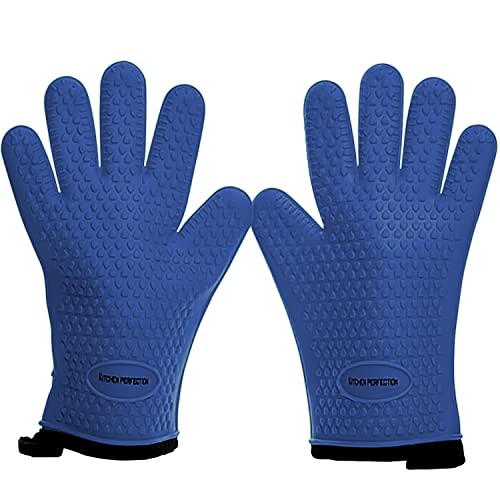
Long Handle BBQ Tongs for Vegetables
See optionsCheck Price →For buyers who want the most for their money without sacrificing the features that actually matter, Long Handle BBQ Tongs for Vegetables is the practical choice at this price point.
Choose the Right Asparagus
Not all asparagus is created equal when you're putting it over live fire. Thin, delicate spears snap in half and cook unevenly. They also fall through the grate if you're not running a fine mesh. You need thick stalks—pencil-sized or thicker. These have structural integrity. They hold up to direct heat, they cook evenly from outside to inside, and they won't disappear into the fire.
Hit your farmer's market or grocer and look for bunches where most spears are consistent in diameter and straight. Bent or limp asparagus has been sitting around. You want fresh, firm stalks with tight tips. The color should be vibrant green (or white/purple if that's your preference). When you're holding fresh asparagus, it should feel substantial in your hand—not like you're picking up straw.
Thickness matters more than length. A thick 6-inch stalk will outperform a thin 10-inch one every single time. Think of it like choosing wood for your smoker—dense, substantial fuel burns cleaner and hotter than thin branches.
Prep and Season Like a Pro
Snap off the woody ends. Hold a spear about 2 inches up from the base and bend it gently. It'll snap at the natural break point between tender and tough. That's exactly where you want to cut. Don't use a knife on every stalk—the snap test is faster, more intuitive, and never wrong. If you're feeding twenty people, this saves time and keeps you in rhythm.
Rinse and dry thoroughly. Water on the surface will steam the asparagus instead of searing it. Pat them down with paper towels or a clean kitchen towel. Moisture is the enemy of the crust you're building. Dry stalks get a better char, better caramelization, better flavor.
Now season. I keep this simple: good olive oil, kosher salt, and coarse black pepper. That's the foundation. The asparagus's natural grassiness and sweetness shine through. If you want to layer it, add a light touch of garlic powder or smoked paprika—nothing that overpowers the vegetable. Toss the asparagus in a bowl with about 2 tablespoons of olive oil per pound of spears, then hit it with salt and pepper. Some people use a dry rub—I've done cayenne and cumin on asparagus before a Tex-Mex brisket, and it locked in. Your rub choice depends on what else is on your menu. Keep consistency with your overall fire pit or smoker flavor profile.
Set Up Your Heat Zones
This is where gear and understanding meet. You need to know your grill's temperature and where your hot spots are. For asparagus, I'm looking for high, direct heat—400 to 500 degrees Fahrenheit. If you're running a charcoal grill, get your coals hot and let them burn down to a clean gray ash. If you're using gas, crank all burners to high and let it preheat for at least 10 minutes.
Create two zones: a hot zone where you'll sear and char the asparagus, and a slightly cooler zone for any spears that need a slower finish. On a charcoal grill, rake coals to one side. On gas, keep one burner at full and reduce another to medium-high. This is your escape route if something's cooking too fast. And it will be. Asparagus cooks quick—you're looking at 4 to 6 minutes of total cook time depending on stalk thickness and grill temperature.
Clean your grate. Use a grill brush or a rolled-up ball of foil with tongs. A clean grate prevents sticking and lets you get those beautiful char marks. Those marks aren't just for looks—they're flavor. The Maillard reaction happening on the surface is where the magic lives.
The Grilling Technique
Place your oiled, seasoned asparagus perpendicular to the grate bars on the hot zone. The spears should lay across the bars, not parallel. This positioning prevents them from rolling and maximizes contact with the heat. You'll get cross-hatch char marks if you're precise, and that looks professional.
Don't touch them for 2 to 3 minutes. I mean don't fiddle, don't move them around, don't play with them. Let the heat work. The tips and edges are charring. The surface is caramelizing. Maillard reactions are firing on all cylinders. This is the sear phase. When you lift the grate brush or grab with tongs, the stalks should have some color—dark brown, almost black on the edges. That's exactly what you want.
Flip each spear and give the other side another 2 to 3 minutes. Same discipline—hands off. Both sides should have aggressive char marks now. For thicker stalks, you might rotate 45 degrees halfway through the second side to get those cross-hatch marks I mentioned. Thinner stalks might be done after the flip. Pierce the thickest part of a couple of stalks with a fork or knife tip. The interior should yield to gentle pressure but still have some firmness—not mushy.
Total time is typically 4 to 6 minutes. Smaller spears, 3 to 4 minutes. Jumbo spears, 6 to 8 minutes. The key is watching your specific grill and adjusting accordingly. Every grill is different. Know your fire.
Finishing Touches and Flavor Builds
When asparagus comes off the grill, it's perfect naked—nothing more than that char and seasoning you applied. But if you want to build layers of flavor, now's the moment. Finish with fresh lemon juice or a quality balsamic reduction while the spears are still warm. The warmth opens up the flavor profile. A light drizzle of aged balsamic adds complexity without overwhelming the vegetable.
Some pitmasters go further: grated Parmesan cheese while the asparagus is hot, toasted pine nuts scattered on top, a touch of garlic-infused oil. If you're serving this alongside smoked brisket or ribs, consider what sauce you used on the meat. Does it complement asparagus? A light glaze of your BBQ sauce can work if it's not too thick or sweet. I've finished grilled asparagus with a drizzle of my competition rub's secret sauce—but that's when I want a unified flavor story across the whole plate.
Serve immediately while the char is still crisp and the interior is tender. Asparagus doesn't hold well—it starts to get rubbery as it cools. This is a side dish you make minutes before you plate everything else.
Common Mistakes and How to Avoid Them
Thin asparagus on a standard grate: They fall through or cook unevenly. Solution: use thick spears or a mesh screen. No shortcuts.
Cold grill: You'll steam instead of sear. Low-temperature cooking makes asparagus taste dull and watery. Solution: let your grill heat to 400+ degrees before you put anything on it. A properly heated grill is non-negotiable.
Moving them constantly: People flip and rotate obsessively because they're nervous. This prevents the crust from forming. Trust the process. Two-three minutes per side. Hands off.
Seasoning too far in advance: Salt draws moisture to the surface. If you season 30 minutes before grilling, you'll lose that beautiful char potential. Season fresh, grill fast.
Overcooking: Asparagus goes from perfectly tender to mushy in about 90 seconds. Know your grill's hot spots and pull asparagus early if you're unsure. It's better to slightly undercook than to serve mush.
Skipping the dry pat-down: Wet asparagus steams. Dry asparagus chars. One extra minute with a towel changes everything.
Frequently Asked Questions
Can I grill thin asparagus?
You can, but it's harder to nail. Thin spears cook fast—sometimes too fast—and can fall through the grate. If that's all you've got, use a mesh screen or vegetable tray and watch them like a hawk. Three minutes max on direct heat. Better solution: always buy thick asparagus when you're planning to grill.
What's the best oil for asparagus?
Extra virgin olive oil is my go-to. It has flavor, a good smoke point for
Frequently Asked Questions
How do I choose the best asparagus for grilling?
Look for asparagus with firm, crisp stalks and bright green tips. Avoid any that are limp, discolored, or have a strong odor, as these are signs of poor quality.
What is the best way to prep asparagus for grilling?
Trim the tough ends and cut the stalks into 2-3 inch pieces. Toss with olive oil, salt, and your favorite BBQ rub for a flavorful base before grilling.
How do I set up my grill for grilling asparagus?
Preheat your grill to medium heat (around 375°F). Use a two-zone fire setup to ensure even cooking, placing asparagus on the indirect heat side to avoid burning.
Is it worth grilling asparagus instead of steaming it?
Grilling asparagus adds a smoky, charred flavor that steaming cannot match. It also helps retain the vegetable's natural crunch and vibrant color, making it a standout side dish.
What are some good BBQ sauces to pair with grilled asparagus?
Try a balsamic glaze, honey mustard, or a smoky BBQ sauce for added flavor. These pair well with the natural sweetness of asparagus and enhance its grilled taste.
How long should I grill asparagus for the best results?
Grill asparagus for 4-6 minutes per side, or until it's tender and slightly charred. Keep an eye on it to prevent overcooking and maintain its crisp texture.
What grilling accessories are recommended for asparagus?
Use a grill basket or skewers to keep asparagus intact while grilling. A quality BBQ brush can also help apply marinades or sauces evenly for better flavor distribution.


