

How To Choose The Right Smoker Pellets 2026
You don't win competitions with expensive wood chips you bought at a gas station. You win them by understanding how moisture content, bark formation, and smoke density interact under heat. Choosing the right smoker pellets isn't about following trends; it's about chemistry and control. Get this wrong, and your brisket tastes bitter or bland. Get it right, and you unlock that deep, mahogany-colored bark that makes people stop their cars on the highway.
Quick Answer
Match the pellet flavor profile to the meat's natural intensity: use mild woods like Apple or Cherry for poultry and pork, medium woods like Hickory or Maple for ribs and shoulders, and bold woods like Mesquite or Pecan for beef brisket. Always buy 100% hardwood pellets with zero binders or fillers, as sawdust and chemicals will ruin your flavor and clog your auger.
Table of Contents
Our Top Picks
Affiliate disclosure: if you buy through these links, we may earn a commission at no extra cost to you.


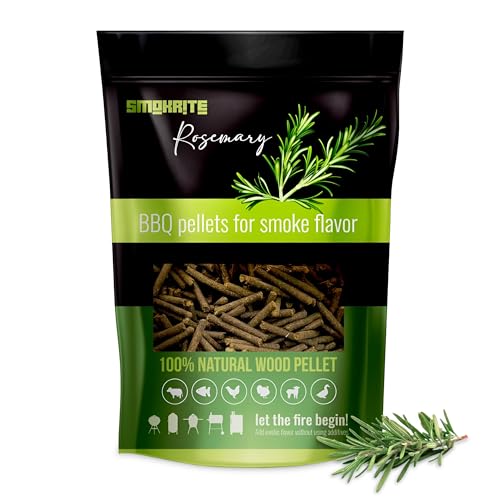
The Anatomy of a Pellet: What's Inside?
Most folks think a pellet is just compressed sawdust. That’s half true. The other half is the binder. Cheap pellets use starches, wheat fillers, or even chemical glues to hold their shape. When you burn those, you aren't just getting smoke; you're getting acrid, chemical aftertastes that cling to your ribs like bad karma.
High-quality pellets are made from 100% hardwood with no additives. The pressure during manufacturing is what gives them density. Dense pellets burn slower and hotter. They create a cleaner smoke because they ignite consistently. Loose, crumbly pellets fall apart in the fire pot, leading to temperature fluctuations and ash buildup that chokes your airflow.
Matching Wood to Meat: The Golden Rules
Smoke is a seasoning, not the main course. You need to respect the hierarchy of flavor intensity. Think of it like spices. You wouldn't drown a delicate salmon fillet in pure capsaicin, and you shouldn't choke a pork shoulder with Mesquite.
Mild Woods (Apple, Cherry, Pecan): These are your daily drivers for poultry and fish. They provide a sweet, subtle smoke that enhances the meat without overpowering it. Apple is forgiving; it’s hard to mess up. Cherry adds a beautiful red hue to the bark, which looks professional on the plate.
Medium Woods (Hickory, Maple, Oak): Hickory is the classic BBQ flavor—bacon-like and strong but manageable when mixed with oak. Oak is the workhorse. It’s neutral enough to let the rub shine but robust enough for brisket. Maple adds a caramelized sweetness that pairs perfectly with pork ribs.
Bold Woods (Mesquite, Walnut): Mesquite burns hot and fast with an intense, earthy flavor. Use it sparingly. A little goes a long way on beef. If you use too much, your meat will taste like bitter ash. Walnut is similar but slightly sweeter; just ensure it’s kiln-dried, as green walnut can be toxic.
Hardwood vs. Blends: When to Use Which
You’ll see bags labeled "Texas Blend" or "Carolina Gold." These are usually mixtures of hardwoods designed to balance flavor profiles. They are convenient, but they lack precision. If you want consistent results, learn to buy single-origin woods.
Blends can be inconsistent from batch to batch. One bag might be 80% hickory, the next 50%. Single-origin pellets guarantee that your smoke ring and flavor profile remain identical every time you fire up the smoker. Consistency is what separates a backyard cook from a pitmaster.
That said, blends have their place. If you’re hosting a cookout for friends who don’t care about the science, a "Sweet & Smoky" blend is forgiving and delicious. But if you’re prepping for a competition or just want to perfect your technique, stick to single woods.
Moisture Content and Storage Tactics
Pellets are hygroscopic—they drink water like a sponge. If your pellets absorb moisture, they swell, disintegrate in the auger, and fail to ignite properly. This leads to fire pot starvation, temperature drops, and that dreaded "dirty smoke" phase where your meat turns gray and bitter.
Always store pellets in their original sealed bag inside a heavy-duty plastic bin with a gasket seal. Keep them off concrete floors in your garage or shed; the ground wicks moisture upward. If you buy in bulk, check the expiration date. Pellets older than 12-18 months may have degraded in density and burn quality.
Brand Quality: How to Spot the Fakes
The pellet market is flooded with low-quality imports that use softwoods or recycled furniture waste. Softwoods (pine, fir) contain high sap and resin levels. Burning them creates creosote buildup in your chimney and imparts a harsh, turpentine-like flavor to your food. Avoid anything labeled "softwood" or "conifer."
Look for brands that are transparent about their sourcing. Reputable manufacturers use kiln-dried hardwoods from sustainable forests. They also screen for contaminants. Cheap pellets might contain bark, leaves, or even plastic fragments. Bark burns dirty and fast; it’s filler disguised as fuel.
Price is a decent indicator here. If a bag costs significantly less than the market average, you’re likely paying for sawdust fillers or lower-grade wood. Good fuel costs money to produce. Don’t skimp on the fire.
Frequently Asked Questions
Can I mix different types of pellets?
Yes. Many pitmasters blend hickory and apple to get the best of both worlds—strong smoke flavor with a sweet finish. Just ensure both woods are 100% hardwood.
Do I need to soak pellets before using them?
No. Soaking pellets is a myth for pellet smokers. They absorb water, swell, and jam your auger. For charcoal grills, soaking chips helps them smolder longer, but it’s unnecessary for electric or gas pellet feeders.
What is the difference between BBQ pellets and fire pit pellets?
BBQ pellets are made from specific hardwoods chosen for flavor. Fire pit pellets are often made from compressed waste wood, bark, or softwoods designed for heat output, not taste. They can contain chemicals that make food unsafe to eat.
How long do smoker pellets last?
If kept dry and sealed, they last 12-18 months. Once the bag is opened, use them within 6 months to ensure maximum density and burn efficiency.
Is Mesquite too strong for pork?
It can be. Mesquite is best suited for beef. If you must use it on pork, mix it 50/50 with a milder wood like oak or cherry to temper the intensity.
Selecting the right pellets is the foundation of your smoking ritual. It dictates the flavor profile, the cleanliness of your burn, and the consistency of your results. Stop guessing and start sourcing 100% hardwood, kiln-dried fuel that respects the meat. Mastery comes from good gear and real fire.


