

How To Choose The Right Grill Mats 2026
You don’t need a plastic sheet to save your food. You need control. For years, I’ve watched folks throw away their seasoning and ruin delicate fish because they were too lazy to clean a grate or didn’t trust their heat management skills. But let’s be real: sometimes you just need that non-stick safety net for sticky glazes or tiny veggies that vanish into the fire. The problem isn’t whether you should use them; it’s finding mats that won’t melt, leach chemicals, or warp under high heat like cheap plastic wrap.
Quick Answer
Choose PTFE-coated fiberglass grill mats rated for temperatures above 500°F (260°C) with reinforced edges to prevent fraying. Avoid silicone-only mats if you plan on searing steaks or using them over direct flames, as they lack the structural integrity of fiberglass. Look for mats that are USDA-approved and explicitly labeled "grill-safe" rather than just "oven-safe," ensuring they can handle the radiant heat of charcoal and gas grills without degrading.
Table of Contents
Our Top Picks
Affiliate disclosure: if you buy through these links, we may earn a commission at no extra cost to you.
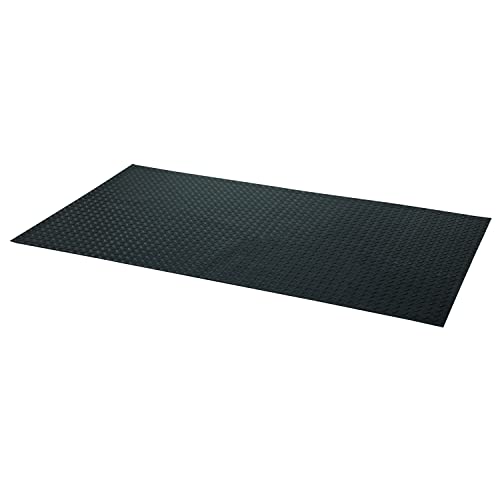

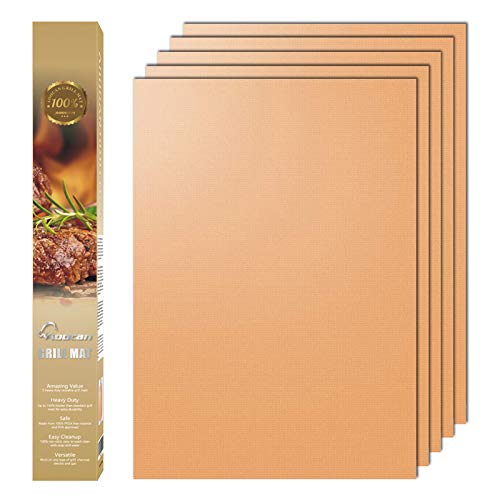
The Material Myth: Fiberglass vs. Silicone
Not all mats are created equal, and mixing up materials is how you end up with a melted mess on your brisket. The market is flooded with silicone mats, which are fine for an oven or a gentle air fryer, but they are soft. They conform to the grate, meaning you lose direct contact with the metal. For that Maillard reaction—the crust you crave on a ribeye—you need rigidity. You want PTFE-coated fiberglass. It’s the same material used in high-heat industrial applications for a reason: it doesn’t melt, it doesn’t burn, and it holds its shape.
Fiberglass mats provide a flat, stable surface that allows heat to transfer evenly without sagging into the gaps of your grill grates. Silicone mats are great for delicate pastries or low-temperature roasting, but when you’re dealing with 450°F direct heat from gas burners or hot coals, silicone will warp. It’ll bubble up, touch the flame, and start smoking. That’s not flavor; that’s chemical degradation.
Heat Tolerance and the Danger Zone
Your grill doesn’t just get hot; it gets aggressive. Charcoal grills can spike well past 600°F during a sear. Gas grills might not hit those peak numbers, but their burners create intense localized heat points. A quality grill mat must withstand temperatures of at least 500°F continuously and handle short bursts up to 550°F without degrading. Anything less is a fire hazard waiting to happen.
Look for mats that specify their temperature rating clearly. Cheap imports often list "oven safe" but omit the maximum limit. If the manufacturer doesn’t tell you how hot it can go, assume it’s weak. The coating on these mats breaks down over time, especially if exposed to open flames. Never let a grill mat touch a direct flame. It should sit on the grates, not in the fire. If your setup requires direct flame contact, step away from the mat and use cast iron instead.
Size Matters: Fit for Your Fire
A mat that’s too small forces you to cook in batches, which kills your flow and cools down the grill. A mat that’s too large drapes over the edges, where it can catch fire from side burners or flare-ups. Measure your cooking grate before you buy. Most standard gas grills have a cooking area between 300 and 600 square inches. You want a mat that covers about 80-90% of that surface, leaving room for airflow.
For charcoal kettle grills or offset smokers, the shape matters less than the flexibility. Look for mats that come in rolls or can be trimmed with kitchen shears to fit irregular grate shapes. Precision here prevents frustration. If you buy a rectangular mat for a round grill, ensure it doesn’t bunch up in the center. Bunching creates hot spots and uneven cooking.
The Non-Stick Reality Check
Here’s the hard truth: grill mats are not magic. They reduce sticking, but they don’t eliminate it entirely, especially with sugary BBQ sauces. If you slather a thick, sugar-heavy sauce on chicken wings and lay them directly on a mat, that sugar will caramelize and bond to the PTFE coating just like it would to steel. The difference is that now you have to clean the mat instead of the grate.
To get the most out of your mat, use a light spray of high-smoke-point oil (like avocado or canola) on the mat before adding food. This creates a secondary barrier and helps achieve a better sear. Also, avoid using metal tongs directly on the mat’s surface if you want it to last. Use silicone-tipped tongs to preserve that non-stick coating. Once the coating is scratched through, the fiberglass core is exposed, and the mat is trash.
Cleaning and Longevity
The life of your grill mat is determined by how you clean it. Never put a hot mat in cold water; thermal shock will warp it instantly. Let it cool completely on the grill or a heat-safe surface. For cleaning, soak it in warm soapy water for 15 minutes to loosen grease. Use a non-abrasive sponge. Never use steel wool or harsh scouring pads.
If you have baked-on residue, make a paste of baking soda and water, apply it, let it sit, then gently scrub. For stubborn stains, some pitmasters toss their mats in the dishwasher on the bottom rack, away from the heating element. This works for many, but hand washing is always gentler on the coating. Inspect your mats regularly. If you see fraying edges or exposed fiberglass threads, throw them out. Inhaling fiberglass particles isn’t worth saving five dollars.
Frequently Asked Questions
Can I use grill mats in a smoker?
Yes, but with caution. Mats work well for indirect heat smoking (like ribs or chicken wings). Do not place them directly over the firebox or where smoke is most concentrated and hot, as this can degrade the coating faster.
Are grill mats safe for health?
High-quality PTFE-coated fiberglass mats are generally considered safe when used within their temperature limits (below 500°F). Avoid overheating them, as PTFE can release fumes at extremely high temperatures. Always buy from reputable brands that comply with FDA standards.
How long do grill mats last?
With proper care, a good quality mat can last 2-3 years of regular use. If you notice the non-stick surface peeling or the fiberglass core becoming brittle, replace it immediately.
Can I put grill mats in the oven?
Absolutely. They are excellent for roasting vegetables or keeping casseroles from splattering. Just ensure your oven rack fits the mat size and that you don’t exceed the mat’s temperature rating.
Do grill mats block smoke flavor?
They can, slightly. By creating a barrier between the food and the grate, you reduce direct contact with the smoke rising from dripping fats. For maximum smoke ring and flavor, cook directly on clean grates. Use mats only when necessary for cleanup or delicate items.
Can I cut grill mats to size?
Yes. Since they are made of fiberglass, you can trim them with standard kitchen shears to fit smaller grills or specific zones on a large smoker. Trim carefully to avoid fraying the edges.
Conclusion
Grill mats are a tool, not a crutch. Use them wisely for sticky foods, delicate fish, or easy cleanup, but never let them replace your fundamental skills in heat management and grate care. Choose the right material—fiberglass over silicone—respect the temperature limits, and maintain them with care. Mastery comes from good gear and real fire.


