

How To Choose The Right Grill Lights 2026
There’s nothing worse than trying to flip a delicate brisket while squinting at a dark grill, or worse, stabbing your hand on a rusted grate because you couldn’t see the heat distribution. Light is just as critical as airflow and temperature control in the pitmaster’s arsenal. If you can’t see what you’re cooking, you aren’t controlling it—you’re guessing. And guessing gets you dry meat.
Quick Answer
Choose grill lights that offer high lumens with a focused beam, not just wide floodlights, to cut through the smoke and darkness without blinding your night vision. Prioritize units with IP65+ weather resistance and magnetic or clamp mounts that survive 400°F heat and heavy rain. Finally, ensure they run on long-lasting batteries or hardwire directly to your grill’s power source for reliability when the show is on.
Table of Contents
Our Top Picks
Affiliate disclosure: if you buy through these links, we may earn a commission at no extra cost to you.

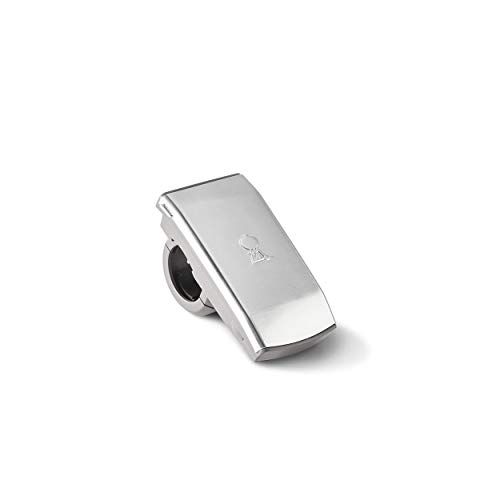

Beam Focus vs. Flood: Seeing Through Smoke
Most people buy the wrong light because they think "brighter" means "wider beam." That’s a rookie mistake. When you’re cooking, especially with offset smokers or pellet grills, smoke is your constant companion. A wide floodlight scatters light off that smoke, creating a hazy white wall that blinds you to the actual food.
You need a focused beam. Look for grill lights with adjustable focus capabilities or a narrow-angle LED emitter. This concentrates the lumens into a tight circle directly on your cooking surface. It cuts through the haze and illuminates the crust development, bark formation, and internal probe placement without washing out the rest of your workspace.
Mounting Systems That Stay Put
A grill light that vibrates off its mount is useless. Grills vibrate from convection fans, pellet augers, and even the wind hitting your fire pit. Cheap plastic clips fail when they get hot or wet. You need a mounting system engineered for the harsh environment of outdoor cooking.
Strong neodymium magnets are the standard for portable grills like Kamados or kettle grills, but ensure the magnet is encased in rubber to prevent scratching your porcelain finish. For heavy-duty offset smokers or steel cabinets, look for stainless steel clamps with a locking mechanism. The mount must hold firm even if you bump it with a spatula while flipping burgers.
Heat Resistance and Build Quality
Your grill is a furnace. Even with the lid closed, radiant heat radiates upward. A standard household flashlight or LED strip will melt, warp, or short-circuit within minutes of being mounted near a hot grate. You need gear built for thermal stress.
Look for lights rated to withstand temperatures up to 200°F to 300°F on the exterior housing. The lens should be tempered glass or high-grade polycarbonate that won’t yellow or crack under UV exposure and heat cycles. Aluminum housings are preferred over plastic because they dissipate heat away from the LED driver, extending the life of the bulb.
Power Sources: Battery vs. Hardwire
This is where convenience meets reliability. Battery-operated lights offer flexibility—you can move them anywhere in your backyard. However, cheap AA batteries die fast under high-drain LED use and can leak acid if left dead in a hot grill.
Rechargeable lithium-ion units are the sweet spot. They hold a charge for weeks and don’t suffer from the memory effect of older batteries. For permanent installations on large pits or fire pits, hardwired lights connected to a GFCI outlet provide unlimited runtime. Just ensure the wiring is heat-shrouded and routed away from direct flame contact.
Color Temperature for Meat Inspection
Not all light is created equal when it comes to judging doneness. The color temperature of your LED matters more than you think. Warm white light (2700K-3000K) makes food look appetizing but can hide subtle color changes in meat, making it harder to judge bark development or fish skin crispness.
Stick to neutral white (4000K) or cool white (5000K-6000K). This spectrum mimics daylight and reveals the true texture and color of your food. It allows you to see the translucency of onions, the sheen of rendered fat, and the exact point where a probe thermometer meets resistance. Your eyes will thank you during those long overnight smokes.
Frequently Asked Questions
Can I use regular LED bulbs in my grill?
No. Standard household bulbs are not sealed against heat and vibration. They will fail quickly and can be a fire hazard. Always use lights specifically rated for outdoor or high-heat environments.
Do grill lights interfere with my thermometer readings?
No, the light itself does not affect electronic or analog thermometers. However, ensure the light’s mount doesn’t block your view of the thermometer dial or probe wire.
How do I clean a dirty grill light lens?
Let the grill cool completely. Use a soft microfiber cloth and a mild degreaser designed for grills. Avoid abrasive pads that will scratch the lens, creating hotspots that blind you later.
Is a magnetic mount safe for cast iron grills?
Yes, provided the magnet is strong enough (at least 50 lbs pull force) and the grill surface is clean of debris. Always double-check the hold before walking away.
What’s the best battery type for grill lights?
Lithium-ion rechargeable packs are best for longevity and consistent power output. If using disposable batteries, stick to high-drain lithium primary cells for maximum lifespan in heat.
Getting the right light isn’t about luxury; it’s about precision. When you can see clearly, you make better decisions about airflow, fuel addition, and timing. Invest in a durable, focused, and bright light source today, and you’ll spend less time squinting and more time mastering your craft. Remember: mastery comes from good gear and real fire.


