

Best Meat Injectors For Holiday Roast Masters
Our Top Picks
Affiliate disclosure: if you buy through these links, we may earn a commission at no extra cost to you.

Factors to Consider
Needle size, gauge, and tip type
⚡ Quick Answer
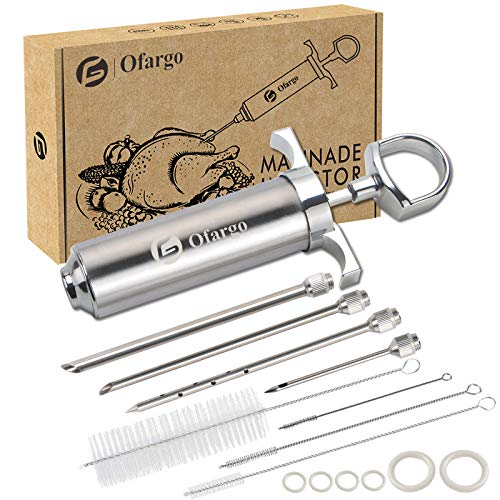
Needle choice dictates how your marinade moves through meat. Thin, 18–20 gauge needles are great for thin, watery brines and delicate cuts; thick, 14–16 gauge needles push butter, apple juice reductions, and particulate-rich marinades without clogging. Look for interchangeable needles and both single-bevel and multi-port tips — more ports mean faster, more even distribution. Match needle length to your roast: short for chickens, long (3–4 inches) for pork shoulders and turkeys.
Table of Contents
Pump mechanism: manual vs. electric
Manual syringes give you tactile control for precision, and they last when made from stainless steel. Electric/battery injectors save your hands on big jobs and maintain steady pressure, but check battery life and motor torque — cheap motors stall on viscous marinades. If you do large turkeys or multiple roasts, pick a powered unit with variable speed and a solid metal plunger. For holiday shifts where speed and consistency matter, a reliable motor beats wrist fatigue every time.
Materials, seals, and durability
Corrosion and heat kill cheap injectors fast. Stainless steel bodies, food-grade silicone seals, and replaceable O-rings are non-negotiable for long-term service. Avoid flimsy plastics on the plunger or needle hub; they crack when pushed against bone or when cleaning with hot water. Check for spare parts and a solid warranty — they tell you if the maker stands behind the tool.
Reservoir capacity, flow control, and viscosity handling
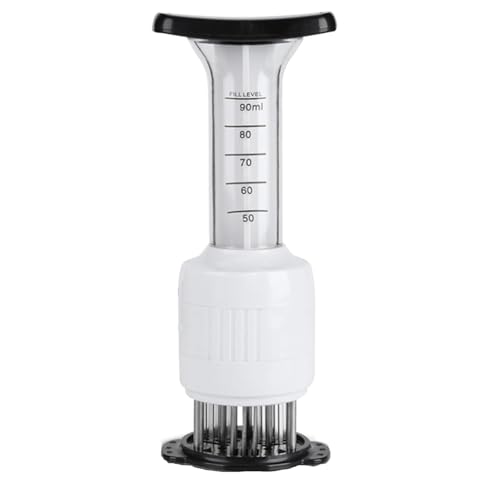
Smaller syringes (30–60 ml) work fine for flavor shots; larger reservoirs or external tanks are essential for big holiday breasts and shoulders. Adjustable flow control and measurement markings let you dose consistently — critical when you’re injecting brine vs. butter. If you plan to inject thicker sauces, choose larger-bore needles and models with wide-mouth reservoirs or strainers to avoid clogging. Look for a pump that keeps steady pressure so you don’t tear meat or spray marinade everywhere.
Cleaning, disassembly, and maintenance
If it doesn’t come apart, it won’t stay clean. True pro injectors disassemble completely: syringe, tip, needle, and seals all removable for boiling or dishwasher-safe cleaning. Inspect the needle hub and check valves after every use for gunk that breeds off-flavors. Buy one with replacement needles and seals — those wear faster than you think on the holidays.
Frequently Asked Questions
Can I inject hot butter or melted drippings?
Yes — but be smart. Needles and seals must be heat-resistant; avoid cheap plastics that warp. Let liquids cool slightly to avoid steam pressure and burns, and strain out solids before filling the reservoir to prevent clogs.
How long before cooking should I inject a roast?
Timing depends on cut and size. For whole birds and large roasts, inject 2–6 hours before cooking to let flavors diffuse; for smaller cuts, 30–90 minutes is sufficient. Always refrigerate after injecting and bring close to room temp before hitting the heat for even cooking.
Why does my needle keep clogging, and how do I fix it?
Clogs come from particulate marinade, congealed fat, or thin needles. Use a larger-gauge needle or strain your marinade through a fine mesh before loading. Between injections, push clean water back through the needle or soak parts in hot, soapy water to dissolve buildup.
Can I use a brine in an injector instead of a full wet brine?
Yes — injecting is a targeted shortcut. It deposits seasoning deep into the meat without hours of soaking, so you get quicker, localized flavor and moisture. For full salt balance, reduce surface salting since injected brine adds sodium internally.
How many injections per pound should I use?
Rule of thumb: 8–12 injection points per pound for dense roasts like brisket or pork shoulder; 6–8 per pound for poultry. Aim for even spacing and don’t over-inject a single spot — that causes pockets of oversalted or oily meat.
Are battery-powered injectors worth it for home cooks?
If you’re doing one big bird a year, a good stainless syringe will do. If you run several roasts, compete, or entertain often, a battery unit saves time and wrist work. Choose one with strong torque and variable speed; cheap motors stall and waste your marinade.
How should I clean and store my injector to prevent corrosion?
Disassemble and wash every part after use; soak needles and seals in hot, soapy water and run a pipe cleaner through the lumen. Dry completely, re-lubricate silicone O-rings with a food-grade oil, and store needles capped and separate to protect tips. Regular maintenance beats early replacement.
Conclusion
Pick an injector built for the job: stainless steel needles, solid seals, and the right needle gauge for your favorite marinades. For most holiday roast masters I recommend a heavy-duty syringe with interchangeable needles — it’s dependable, serviceable, and won’t quit during the feast. Remember — mastery comes from good gear and real fire.


